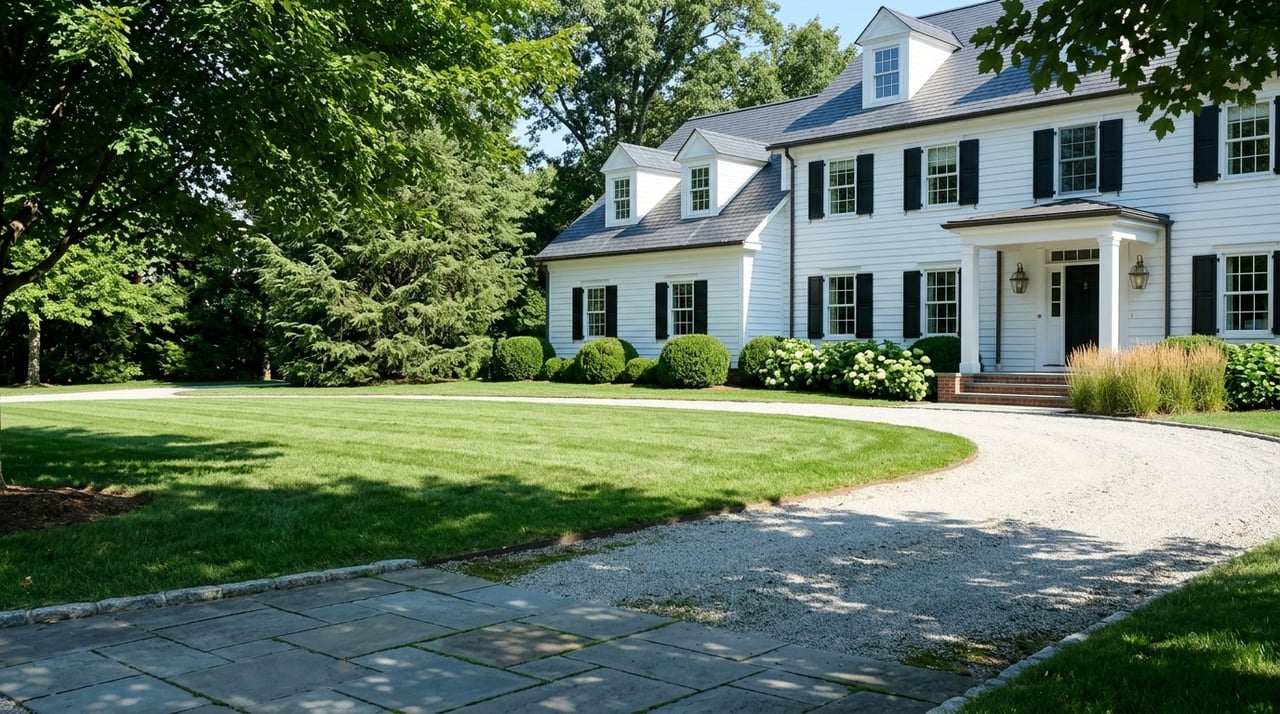
Understanding Upper Saddle River’s Estate-Style Housing Market
June 18, 2026
June 18, 2026
If you are looking at Upper Saddle River and wondering why so many homes feel more expansive, private, and enduring than a typical suburban listing, you are seeing the market exactly as many buyers and sellers do. This is a borough where land is limited, ownership runs high, and the housing pattern creates a strong estate-style character even beyond the top end of the price spectrum. If you want to understand what drives value here, this guide will walk you through the housing stock, pricing, demand, and what makes this Bergen County market distinct. Let’s dive in.
Upper Saddle River is a small, largely owner-occupied borough with about 8,696 residents, according to the Census. The owner-occupied housing rate is 91.1%, and the median owner-occupied home value is $1,108,700. Median household income is above $250,000, which helps explain why the market tends to support larger, higher-value homes.
The borough’s own 2025 housing plan describes Upper Saddle River as essentially fully developed, with very little vacant land remaining. About 92% of the land is devoted to residential use. That limited supply is a major reason the market feels stable, established, and hard to replicate.
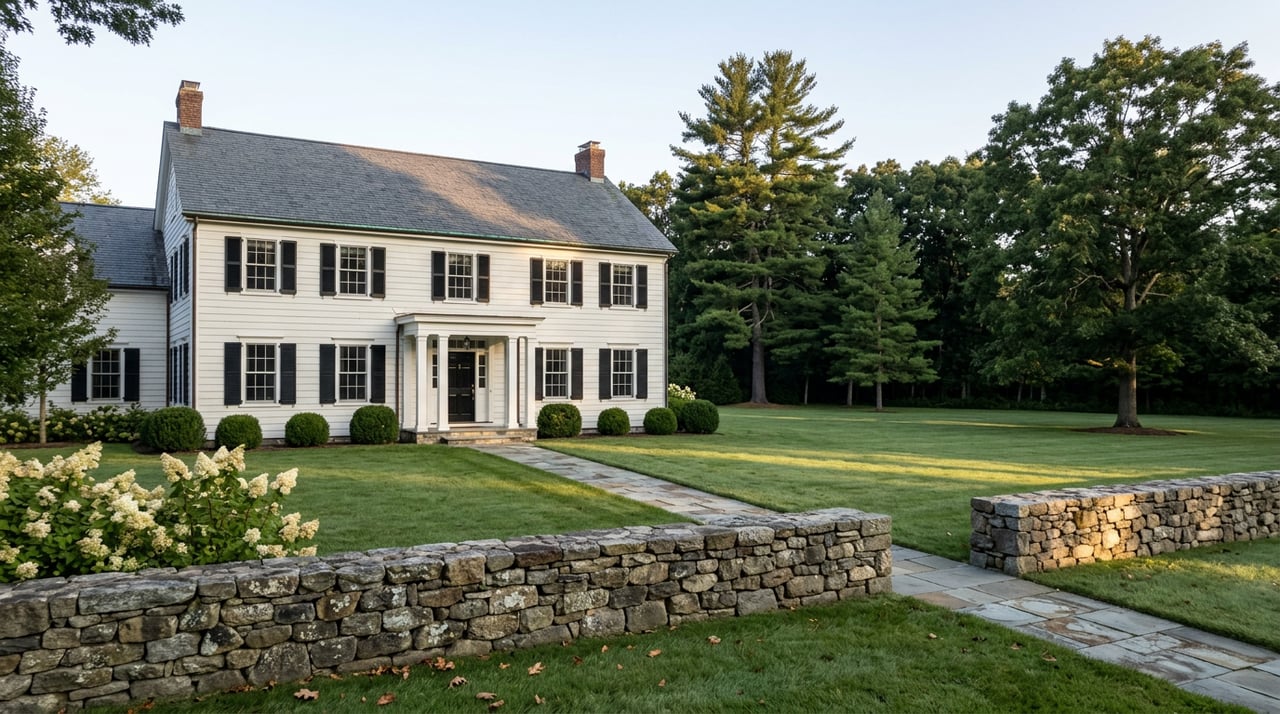
The phrase “estate-style” in Upper Saddle River is not only about mansion-sized homes. It is also about the way zoning, lot dimensions, setbacks, and land use shape the streetscape. Even homes that are not at the very top of the market often sit on generously sized lots with meaningful separation from neighboring properties.
In the borough’s R-1 zone, the minimum lot area is 37,500 square feet. The zoning code also requires 150 feet of frontage, 35-foot side yards, 35-foot rear yards, and a building coverage cap of 15%. Each lot must also be large enough to fit a 150-foot-diameter circle, which reinforces the low-density pattern.
Those standards matter because they help preserve a sense of openness and privacy. In practical terms, they limit how tightly homes can be placed and reduce the potential for dense redevelopment. That is a key reason Upper Saddle River reads as an estate-style market even when homes vary in age, design, and square footage.
Upper Saddle River is dominated by detached single-family homes. In 2023, nearly 88.9% of dwelling units fell into that category. While there is some townhouse and multifamily development in the borough, those property types remain a clear minority.
Growth has also been slow. The housing stock has increased only about 2% since 2010, which reinforces the idea of a mature market rather than a fast-expanding one. For buyers, that means choices may be limited at any given time. For sellers, it means well-prepared homes can stand out in a relatively constrained inventory environment.
About two-thirds of the housing stock was built before 1980, with the largest share dating to the 1960s. That age profile often shifts attention toward renovation quality, floor plan updates, lot appeal, and replacement construction rather than simply the year built. In a market like this, presentation and condition can have an outsized impact.
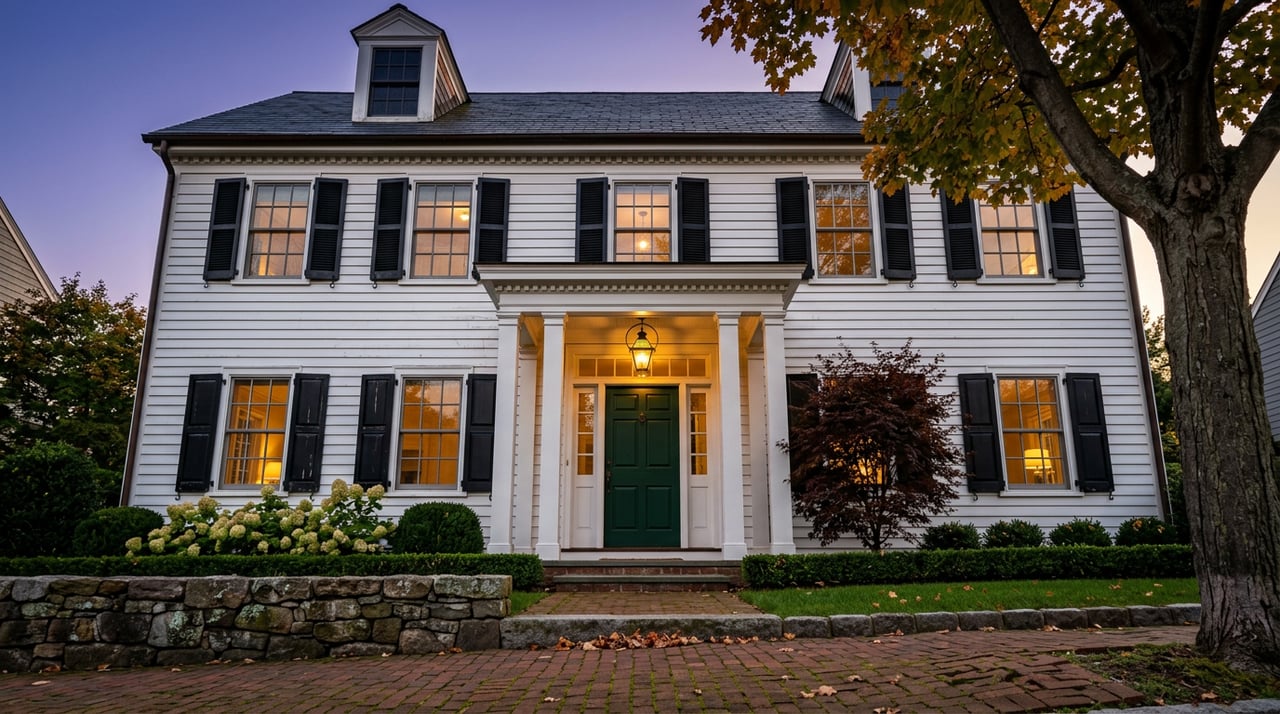
Upper Saddle River does not have one uniform architectural identity. Historical documentation points to older homes in Federal/Greek Revival, Italianate, Queen Anne, and English Cottage Revival styles. The zoning code also references residential forms such as ranch, split-level, Cape Cod, and two-story dwellings.
That mix gives the market a layered feel. You may find classic older homes, later suburban designs, and newer replacement construction, sometimes all within the same broader area. For buyers, that creates variety. For sellers, it means your home is often judged less by fitting one style category and more by its setting, updates, and overall presentation.
Upper Saddle River is a premium market, but it is not always a rapid-turnover market. Redfin reported a median sale price of $1.8 million over the three months ending May 2026, along with a median 94 days on market. In that same snapshot, the sale-to-list ratio was 103.0%, and 50.1% of homes sold above list price.
At the same time, Realtor.com’s April 2026 snapshot showed 18 homes for sale, a median listing price of $1.62 million, a median 24 days on market, and about $445 per square foot. Because these sources use different methods and timeframes, the numbers are best understood as directional rather than exact side-by-side comparisons.
A practical way to think about the local price ladder is in three bands:
That structure is consistent with recent closed sales that ranged from about $825,000 to $2.89 million, with several clustered between roughly $1.4 million and $2 million. It is a useful framework if you are trying to position a listing or set realistic expectations as a buyer.
One of the more interesting parts of this market is that strong pricing does not mean every home moves effortlessly. Some homes sell above asking, but price reductions also appear. That usually points to a buyer pool that is engaged but careful.
In other words, buyers in Upper Saddle River are often willing to pay for the right property, but they are not ignoring condition, presentation, layout, or pricing discipline. A home with a strong lot, polished interiors, and a thoughtful market strategy may perform very differently from a similar home that feels dated or mispriced.
This is one reason premium presentation matters so much in established upper-tier suburbs. In a market where buyers compare land, updates, privacy, and long-term potential closely, details shape outcomes.
Upper Saddle River’s buyer pool appears to be driven largely by regional demand. Redfin migration data shows that in the most recent window, 68% of buyer searches were focused on staying within the metropolitan area, while only 3% came from outside metros.
That suggests the market is influenced heavily by northern New Jersey and New York area buyers rather than broad national demand. Many purchasers are likely comparing Upper Saddle River with other high-value suburban options in the region. They may already understand Bergen County pricing and be focused on lot size, commute patterns, home quality, and long-term fit.
The Census also reports a mean commute time of 36.8 minutes. That makes commute awareness part of the conversation for many households considering the area.
The data points to a buyer profile shaped by ownership, income, and the borough’s low-density character. High ownership, larger average household size of 3.13, and elevated household income all support demand for homes that offer space, storage, privacy, and long-term usability.
In practical terms, many buyers are drawn to features such as:
That does not mean every buyer wants the same thing. It does mean that land, privacy, and quality tend to carry lasting weight in this market.
If you own a home in Upper Saddle River, your property may benefit from the borough’s limited supply and distinctive low-density setting. But those advantages do not remove the need for strategy. Buyers in this segment often compare carefully and expect a home to justify its pricing through condition, presentation, and positioning.
That makes preparation especially important. In an established housing stock where many homes were built decades ago, buyers may focus quickly on renovations, maintenance, room flow, and how the home lives today. Professional presentation can help buyers see both current value and future potential.
Pricing also needs to reflect the real market band your property fits. A home with strong land value and privacy may still face resistance if updates are incomplete or if the asking price stretches beyond what current buyers view as justified.
Upper Saddle River is easy to oversimplify. It is not just a luxury market, and it is not just a suburban market. It is a scarce-land, established, upper-tier housing market where zoning, lot size, and limited development capacity all influence how homes are valued.
That means the right advice often comes down to nuance. A buyer may need help distinguishing between cosmetic appeal and lasting value. A seller may need a pricing and presentation strategy that reflects how selective the buyer pool can be.
In a market like this, local context matters. Understanding the difference between a broad $1 million to $2 million core market and a true estate-tier property can shape decisions from day one.
If you are considering a move in Upper Saddle River, a thoughtful plan can make a meaningful difference. For a private consultation on buying or selling in northern Bergen County, connect with Catherine Bossolina.
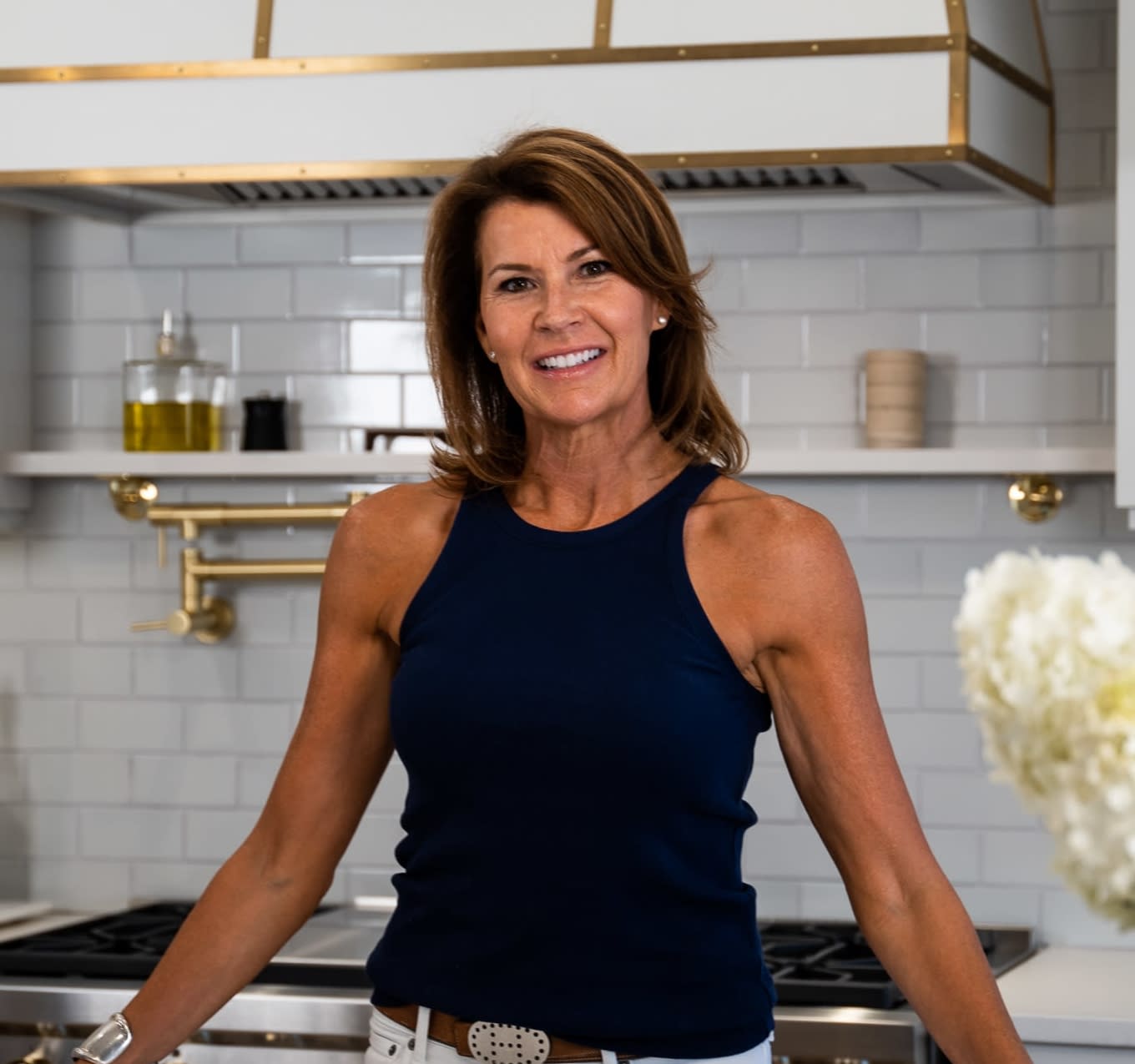
Cathy Bossolina is Ridgewood’s top-producing individual real estate agent, consistently ranked #1 since 2020 and recognized as the #1 agent company-wide for Prominent Properties Sotheby’s International Realty in 2021. With more than a decade of experience and over $225 million in closed volume, Cathy offers discerning clients hands-on, white-glove service tailored to their unique needs. Known for her integrity, discretion, and deep knowledge of Ridgewood and surrounding towns, she leverages her strong community ties and Sotheby’s International Realty’s global network to deliver exceptional results. Her commitment to personalized service has earned her recognition in Bergen Magazine, RealTrends/Tom Ferry America’s Best, and the trust of repeat and referral clients throughout Bergen County and beyond.
📍 55 N. Maple Ave., Ridgewood, NJ 07450
📞 201.410.0642


Stay up to date on the latest real estate trends.
A Room-by-Room Approach to Reclaiming Every Inch of Your Garage.
Practical Ways to Keep Showings Smooth Without Turning Your Life Upside Down.
A Little Curiosity Now Saves a Lot of Surprises Later.

The Groundwork That Turns a Nerve-Wracking Decision Into a Confident One.
Cathy’s personalized service concentrates on limited clients with white-glove service. She is committed to representing her clients personally. Through a decade of service to individual clients and their families, she has developed a deep connection to the community and leverages those relationships to help put the client’s needs first, while protecting their privacy.