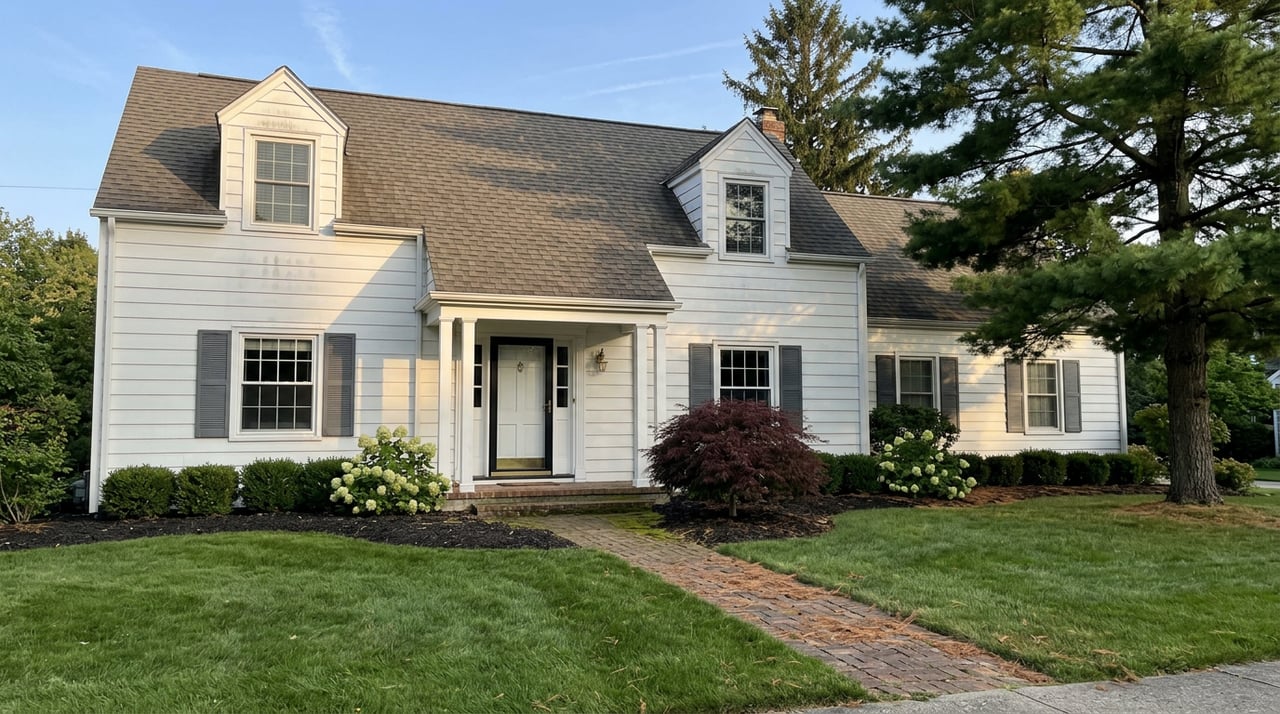
Wyckoff's Median Home Was Built in 1965. That's Exactly When Oil Tanks Went Into the Ground by the Thousands.
September 17, 2026
September 17, 2026
What year was your Wyckoff home built, and did anyone ask what happened to its original heating oil tank?
Most buyers don't think to ask. They ask about the kitchen renovation, the roof, the schools. But in a township where the median home dates to 1965, and where roughly one in five homes went up in the 1950s with another quarter built in the 1960s, that unasked question sits underneath a large share of the housing stock. Those two decades were the exact window when oil heat was the default in northern New Jersey, and the tanks that fed those furnaces went into the ground, not into a basement corner where anyone could see them.
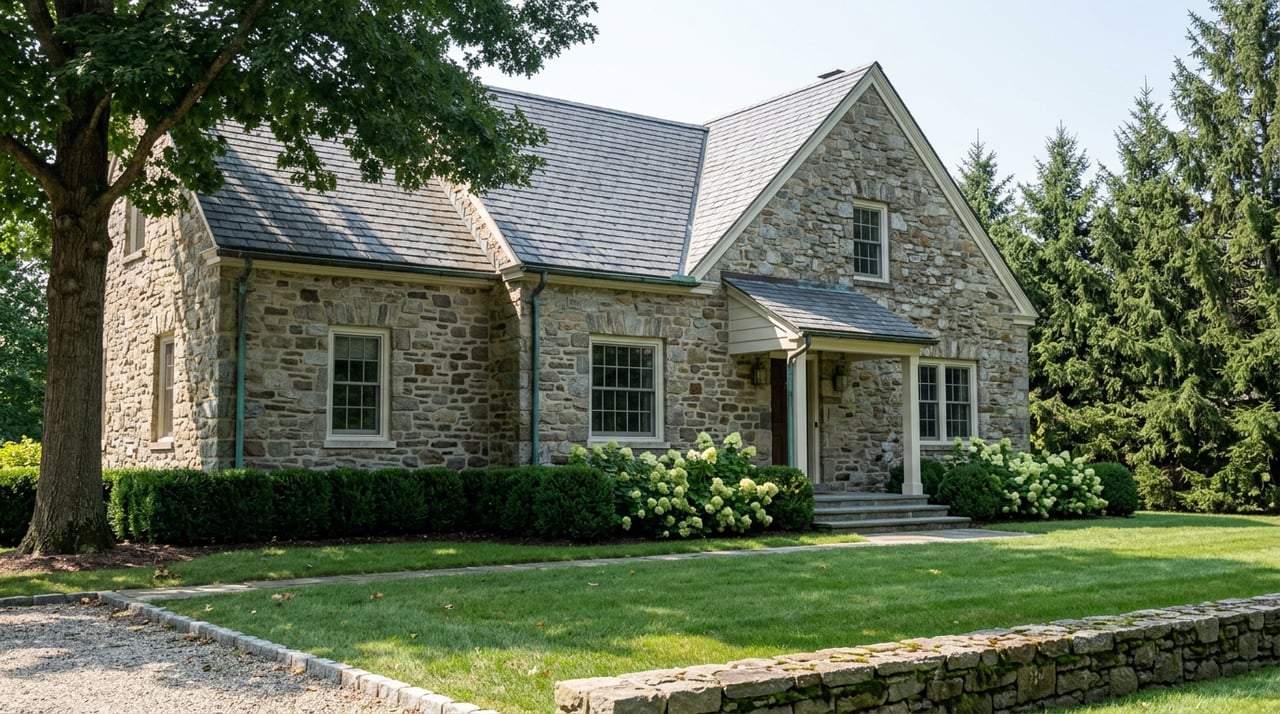
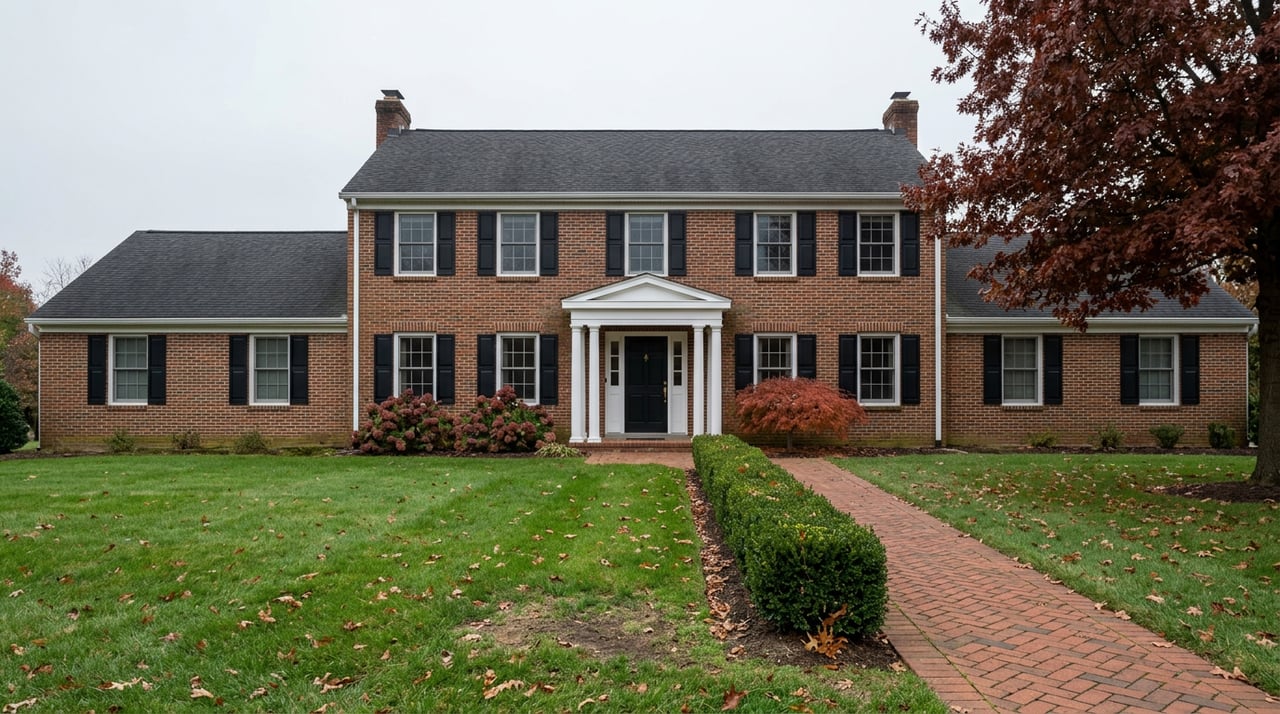
This is not a story about a defect. It's a story about timing. Wyckoff's postwar building boom, the same wave that gave the township its ranches, Cape Cods, split-levels and Dutch Colonials on generous lots, happened to land squarely inside the era when burying a steel oil tank was standard construction practice. Homes built after natural gas infrastructure expanded through the 1970s and 1980s mostly skipped this step entirely. Wyckoff's did not have that luxury of timing. The township's construction boom came first.
A median construction year is usually treated as a trivia point, filed alongside acreage and school district. Here it functions differently. It's a rough proxy for how likely a given Wyckoff property is to have started life with an underground fuel tank, whether that tank was later removed, abandoned in place, or simply forgotten when the house converted to gas sometime in the following decades.
None of this means every 1960s Wyckoff home has a tank waiting to be found. Plenty were properly decommissioned years ago, with paperwork to prove it. But the base rate is higher here than it would be in a town built mostly after 1990, and that base rate is the reason a Wyckoff home inspection routinely includes a line item that a newer-construction inspection in a different township might skip.
A standard home inspection does not test for buried tanks. What catches this is a separate, optional step called a tank sweep, where a technician uses metal detection equipment to check the property for evidence of a buried tank: old fill pipes, vent stubs entering the foundation, patched areas of lawn, or a metallic signature under the soil. It is not legally required in New Jersey. It is, in practice, close to universal advice from real estate attorneys handling contracts on older homes, precisely because the alternative is finding out after closing, when the liability has already transferred to the new owner.
Inspectors who work Wyckoff regularly build this into their standard conversation with buyers. Firms serving the township note that oil heating systems remain common in homes from the 1960s and 1970s, and that evaluating tank age and condition is a routine part of assessing an older Wyckoff property. That is a local pattern, not a generic New Jersey disclaimer. It shows up because the housing stock is what it is.
Here is the distinction that trips up first-time Wyckoff sellers. New Jersey law does not require you to remove a known underground tank before selling. It does require you to disclose it. The Seller's Property Condition Disclosure Statement specifically asks about heating oil tanks, current and previously removed, and that question is not optional to answer honestly. A tank you know about but haven't addressed still has to appear on that form. So does a tank you had removed years ago, along with whatever closure documentation you kept.
Selling a home "as is" does not change this. New Jersey's implied warranty of habitability means a known, material defect still has to be disclosed regardless of how the contract characterizes the sale. Courts in this state have consistently held sellers responsible for undisclosed tanks discovered after closing, including the cost of remediation, even when the contamination happened before the current owner ever bought the property. That last part surprises people. You can inherit financial responsibility for a leak you had nothing to do with, simply by being the one holding the deed when it's discovered.
The dollar figures matter here because they explain why this issue moves negotiations rather than killing deals outright.
| Step | Typical Cost Range |
|---|---|
| Tank sweep (locate tank) | Few hundred dollars |
| Tightness test on an intact tank | A few hundred dollars |
| Straightforward tank removal, no contamination | Roughly $2,000 to $4,500 |
| Soil remediation if contamination is found | $10,000 to $100,000+, depending on severity |
A clean removal is an annoyance, usually absorbed by the seller as a condition of keeping the deal together. A contaminated site is a different conversation entirely, one that can involve New Jersey Department of Environmental Protection oversight, a No Further Action letter before the file can close, and a timeline measured in months rather than days. New Jersey does offer a state remediation fund for eligible homeowners facing these costs, but the application and reimbursement process is not fast, which is exactly why sellers who know or suspect a tank exists are better off addressing it before listing rather than during a 30-day attorney review period.
If a tank is found and needs to come out, the work runs through two separate layers of oversight. Wyckoff's building department issues the local demolition and removal permit, and by the township's own posted timeline, a general construction permit review can take up to 20 business days. Statewide, tank removal permits specifically tend to move faster, often three to seven business days, but a licensed contractor still needs a permit in hand before digging starts, and a Wyckoff building official has to be present to witness the tank come out. That inspection, and the closure documentation it generates, is what a buyer's attorney will ask to see before agreeing to move forward.
The paperwork worth asking for, whether you're buying a home with a documented prior removal or negotiating one mid-contract, includes:
Verbal assurances that "the tank was taken out years ago" are not documentation. If a seller can't produce these records, that absence is itself useful information heading into negotiation.
For a Wyckoff seller with an older home, the practical move is to get ahead of this before the sign goes in the yard. If there's any history of oil heat, even decades old, a tank sweep before listing turns a potential mid-contract surprise into a known quantity you can disclose with documentation attached. That single step tends to keep negotiations calmer and buyers more confident.
For a buyer, the instinct to waive extra inspection items to make an offer more competitive is understandable in a market where good Wyckoff listings move quickly. A tank sweep is not the item to waive. The cost is small relative to the downside of inheriting an undisclosed environmental liability, and New Jersey's disclosure rules give you real leverage to ask a seller to address a confirmed tank before you're the one holding the risk.
Does every older Wyckoff home have a buried tank? No. Many were properly removed or converted decades ago with documentation intact. The point is that the odds of encountering one are meaningfully higher here than in a township built mostly after gas infrastructure was standard.
If a tank is found, does it have to be removed before closing? Not automatically, but most buyers and virtually all mortgage lenders will require it, or a credit large enough to cover it, before financing goes through.
What if the seller converted to gas years ago and doesn't know what happened to the old tank? That's a common scenario, and "I don't know" on a disclosure form doesn't protect anyone if a tank turns up later. A sweep before listing resolves the uncertainty either way.
If you're weighing a purchase or a listing in Wyckoff and want a clear-eyed read on how a property's age and history could shape your negotiation, Catherine Bossolina can walk through what to check before you're under contract. Request a Private Consultation to talk through your specific property before it becomes a surprise on someone else's inspection report.

Cathy Bossolina is Ridgewood’s top-producing individual real estate agent, consistently ranked #1 since 2020 and recognized as the #1 agent company-wide for Prominent Properties Sotheby’s International Realty in 2021. With more than a decade of experience and over $225 million in closed volume, Cathy offers discerning clients hands-on, white-glove service tailored to their unique needs. Known for her integrity, discretion, and deep knowledge of Ridgewood and surrounding towns, she leverages her strong community ties and Sotheby’s International Realty’s global network to deliver exceptional results. Her commitment to personalized service has earned her recognition in Bergen Magazine, RealTrends/Tom Ferry America’s Best, and the trust of repeat and referral clients throughout Bergen County and beyond.
📍 55 N. Maple Ave., Ridgewood, NJ 07450
📞 201.410.0642


Stay up to date on the latest real estate trends.
A Room-by-Room Approach to Reclaiming Every Inch of Your Garage.

Practical Ways to Keep Showings Smooth Without Turning Your Life Upside Down.

A Little Curiosity Now Saves a Lot of Surprises Later.

The Groundwork That Turns a Nerve-Wracking Decision Into a Confident One.
Cathy’s personalized service concentrates on limited clients with white-glove service. She is committed to representing her clients personally. Through a decade of service to individual clients and their families, she has developed a deep connection to the community and leverages those relationships to help put the client’s needs first, while protecting their privacy.