By Cathy Bossolina
I've been working in Ridgewood long enough to know that residents tend to describe it the same way, regardless of how long they have lived here: it is a town that keeps rewarding you the more time you spend in it. What makes Ridgewood, NJ special is not any single feature but the particular combination of history, architecture, schools, downtown character, and community life that is genuinely difficult to find anywhere else in Bergen County.
Key Takeaways
-
Ridgewood is one of New Jersey's only incorporated villages and has governed itself under the Faulkner Act Council-Manager Plan since 1970.
-
The Ridgewood Train Station, built in 1916 in Victorian Gothic style, is one of the most architecturally distinctive commuter stations in the region.
-
Graydon Pool is one of the last remaining municipal pond pools in New Jersey, with sandy beaches and a man-made lake that has anchored Ridgewood summers for generations.
-
Downtown Ridgewood closes its streets on summer weekends for open-air dining and live music, a tradition that reflects the community's investment in shared public life.
A History That Shows in the Architecture
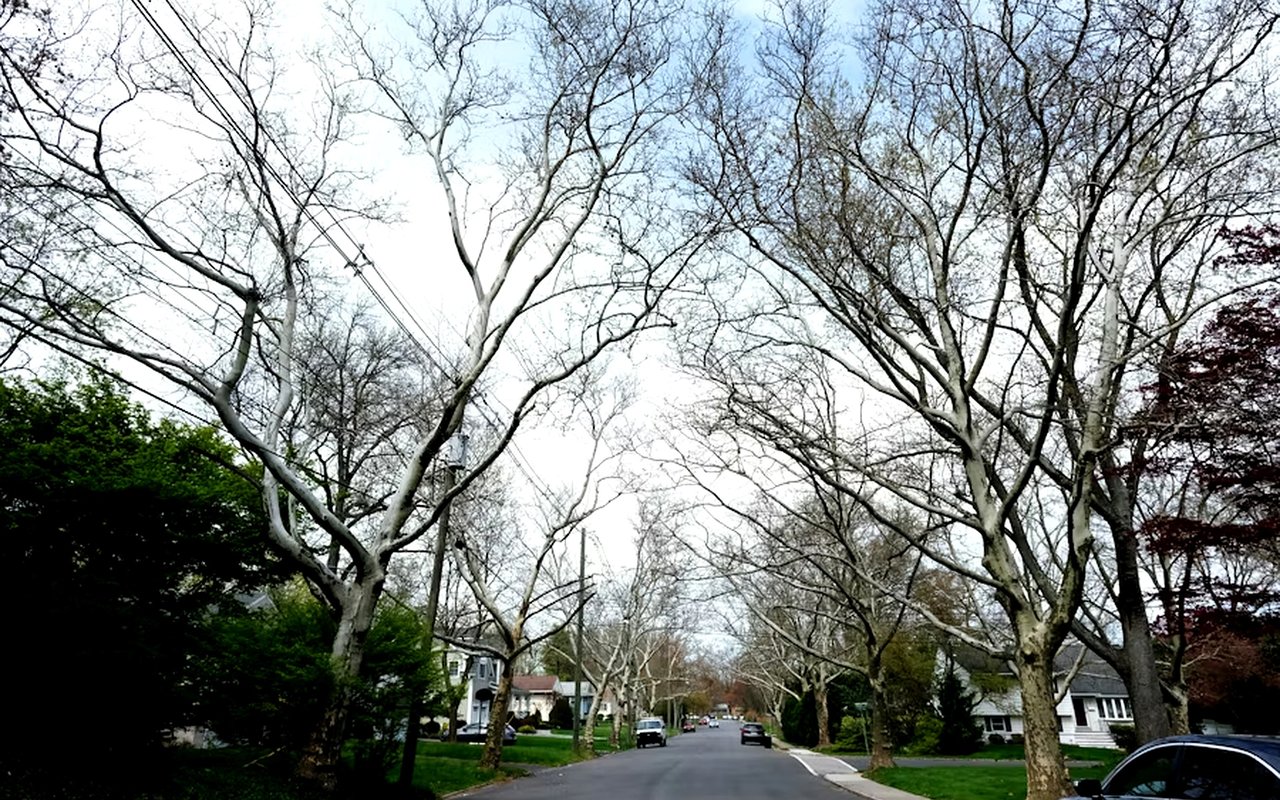
Ridgewood's history is not in a museum; it is in the streetscape, the train station, and the neighborhoods that have held their character across more than a century of change.
-
Dutch origins: The land was first documented in a 1698 deed by Johannes Van Emburgh, and the Old Paramus Reformed Church, established in 1725, served as a strategic site during the American Revolution.
-
The railroad transformation: The NJ Midland Railroad arrived in 1870 and transformed Ridgewood from a farming community into a commuter town, shaping the architectural character of the neighborhoods built in the decades that followed.
-
The train station: Built in 1916, the Ridgewood Train Station is a Victorian Gothic landmark with stone construction and Tudor detailing, considered one of the most beautiful commuter stations in the region, still serving NJ Transit's Main/Bergen County lines daily.
-
Silent film history: Ridgewood's natural beauty and proximity to New York City made it an early filming location for the silent film industry before Hollywood became the industry's center.
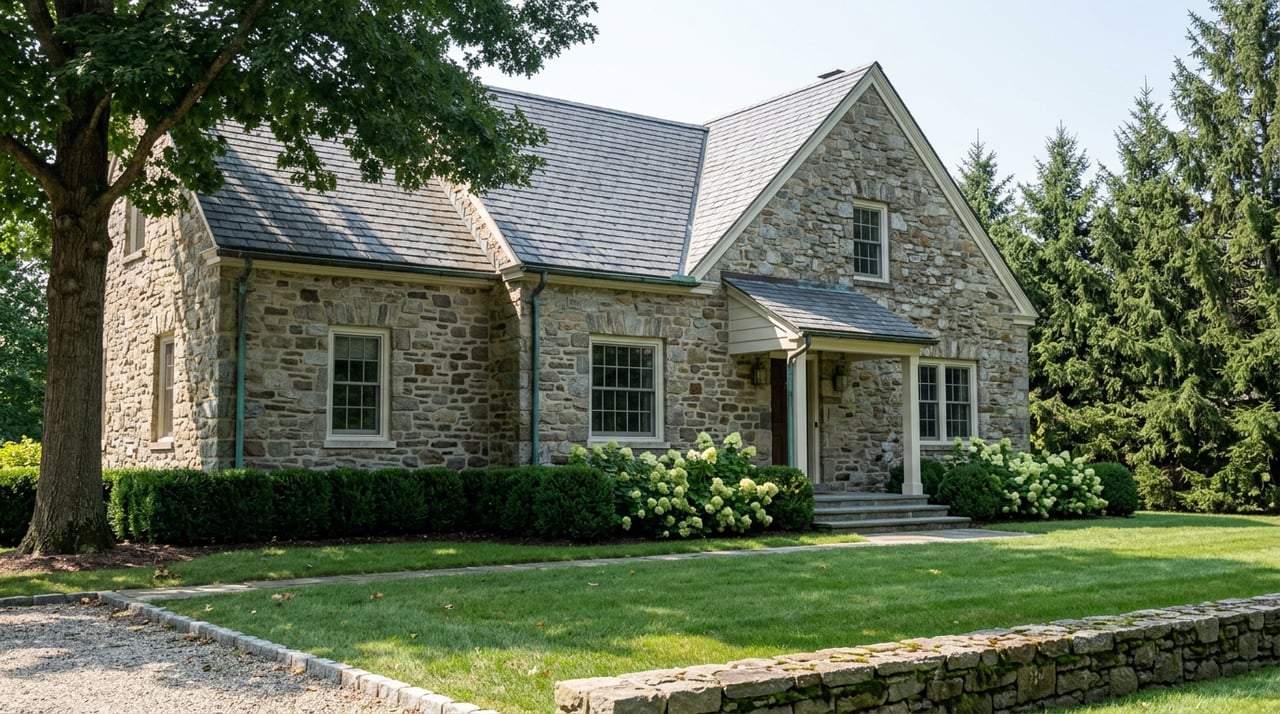
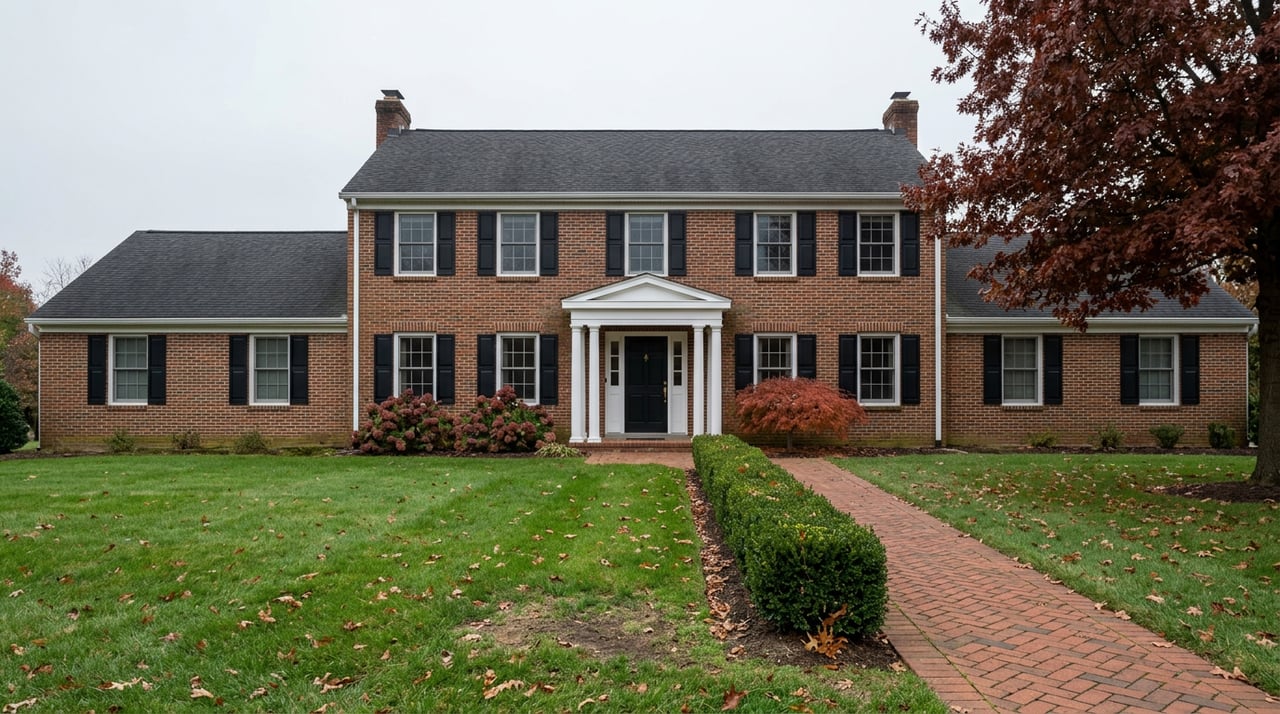
The homes tell this story: well-kept colonials on large lots, restored Tudor mansions, Craftsman bungalows, and Victorian-era properties that have aged into genuine architectural distinction.
Graydon Pool: A Community Institution Unlike Any Other
Graydon Pool is one of the most frequently cited reasons Ridgewood families stay, and it is unlike any other public amenity in Bergen County.
-
What it is: A man-made lake, not a conventional pool, with sandy beaches, a water slide, and a natural-water environment that no chlorinated facility can replicate.
-
Its place in NJ: One of the last remaining municipal pond pools in the state, a designation that reflects both its rarity and the community's long-standing commitment to maintaining it as a shared resource.
-
The broader park connection: The Ridgewood Wild Duck Pond, part of Bergen's Saddle River County Park, connects via a six-mile multi-use path to Glen Rock, Fair Lawn, Paramus, Rochelle Park, and Saddle Brook.
Graydon Pool alone explains why Ridgewood summers have a specific character that families from neighboring towns describe with a recognizable note of envy.
Downtown Ridgewood: A True Pedestrian Village
Ridgewood's downtown is one of its most meaningful differentiators, a genuine pedestrian commercial district with independent businesses, restaurants, and traditions that reflect the town's character rather than a developer's commercial formula.
-
Street dining and live music: Downtown streets are closed on summer weekends for open-air dining and live music, turning the commercial district into a gathering space rather than simply a shopping corridor.
-
Van Dyk's Homemade Ice Cream: Open only in summer and operating as a beloved Ridgewood institution for decades, Van Dyk's is the kind of seasonal, locally specific fixture that defines a town's identity in ways that chains cannot.
-
Weekly community gathering: MacMurphy's Bar and Grill hosts weekly Tuesday trivia nights that draw residents from across the village and function as an informal anchor of downtown social life.
-
Seasonal traditions: Halloween brings elaborate resident-mounted haunted houses throughout the village, and the holiday season includes both menorah and Christmas tree lighting ceremonies that draw most of the village together.
The downtown is part of what makes Ridgewood, NJ special in a way that resists replication; it evolved with the community rather than being built for it.
FAQs
How does Ridgewood compare to neighboring Bergen County towns like Wyckoff, Glen Rock, or Ho-Ho-Kus?
Ridgewood has a more developed downtown and stronger direct train access than most neighboring towns, giving it a different daily rhythm. The combination of a walkable commercial district, direct NJ Transit service, and top-tier schools is difficult to replicate elsewhere.
Is Ridgewood's historic architecture a practical advantage or primarily an aesthetic one?
Both. The aesthetic dimension is real; the architectural variety and quality of the housing stock give Ridgewood neighborhoods a visual character that appreciates in a different way than newer construction. The practical dimension is that well-maintained historic homes in established neighborhoods have shown consistent long-term demand from buyers who value exactly those qualities.
What is the best time of year to experience Ridgewood as a potential buyer?
Summer. The downtown is at full animation, Graydon Pool is open, the outdoor dining and live music events are active, and the community's social character is on full display. If you're evaluating whether Ridgewood fits your family's lifestyle rather than simply your commute, visit on a summer weekend and let the town show you what daily life here looks like at its best.
Contact Cathy Bossolina Today
Reach out to me,
Cathy Bossolina, to talk through what Ridgewood offers and where your family fits within it.