By Cathy Bossolina
A home is never just a transaction, and I would never pretend otherwise. Whether you are leaving a Ridgewood house full of memories or picturing your first morning in a new one, feelings sit at the center of every decision. I have learned that the most successful moves happen when excitement and attachment work alongside clear thinking. Let’s talk about the role of emotions in buying and selling a home, and how to make them work for you.
Key Takeaways
- Strong feelings are normal and can guide good decisions.
- Sellers do best when they see their home through a buyer’s eyes.
- Buyers benefit from a clear plan before they fall in love.
- A steady advisor keeps negotiations calm and productive.
Why Emotions Shape Every Real Estate Decision
Luxury real estate is deeply personal. A home in Saddle River or Franklin Lakes holds family gatherings, quiet mornings, and years of careful improvement. Those feelings influence what you notice, what you pay, and what you accept. Recognizing them early gives you more control over the outcome.
The homeowners I admire most treat their emotions as useful information, not as a script they must follow.
Why Naming Your Feelings Helps
- Pride in a renovation can lead sellers to overprice.
- Excitement over a stunning kitchen can lead buyers to overlook other details.
- Nostalgia can slow a seller’s willingness to prepare the home.
- Fear of missing out can push buyers toward rushed offers.
- Anxiety about timing can cause either side to concede too much.
Navigate the Emotional Side of Selling
Selling a longtime home often feels like closing a chapter. The garden you planted in Ho-Ho-Kus or the library you designed in Wyckoff carries real meaning.
Buyers, however, need space to picture their own lives there. The best preparation asks you to step back and view your property like a first-time visitor.
That shift can feel uncomfortable at first, but it often becomes the most rewarding part of the process.
Why Detachment Strengthens Your Sale
- Pack personal photographs and collections so buyers can imagine themselves in each room.
- Use neutral staging to highlight architecture, light, and flow.
- Accept that buyers may want to change finishes you love.
- Set your price using current market data, not sentiment.
- Let a trusted advisor handle feedback after showings.
Manage Emotions as a Buyer
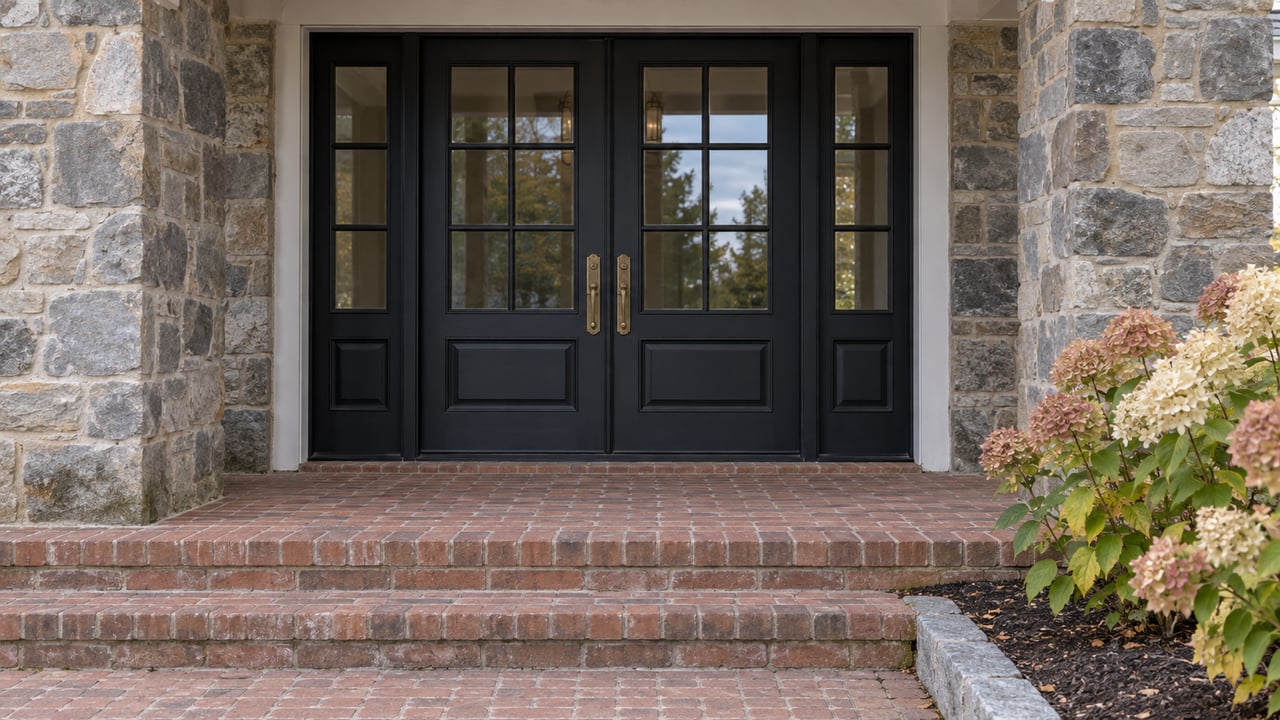
Buying a home in Ridgewood Village or near the train station can feel exhilarating. A beautiful entry, a perfect view, or a lush backyard can capture your heart in minutes.
That connection is wonderful, but it works best when paired with a clear list of priorities. Your heart finds the home, and your plan confirms it. Make sure you decide what matters most before the first showing.
Why a Plan Protects You From Impulse
- Write down your top five must-haves and your flexible preferences.
- Set a firm budget, including taxes, maintenance, and renovation costs.
- Tour a few comparable homes so you can judge value with confidence.
- Sleep on every major decision, even in a competitive market.
- Order a thorough inspection, no matter how much you love the home.
- Picture a typical weekday there, from the commute to the grocery run, not just a weekend showing.
Stay Composed During Negotiations
Negotiation is where emotions run highest. Offers can feel personal, especially when a seller hears a number lower than expected or a buyer faces a counteroffer.
Remember that each side wants a successful outcome. A calm, respectful tone often moves a deal forward faster than a firm stance.
In a luxury market like Franklin Lakes or Upper Saddle River, where each property is unique, patience often earns a better result than pressure.
Why Composure Wins in Negotiation
- Treat every offer as a business proposal, not a judgment of your home.
- Focus on terms like timing, contingencies, and flexibility, not just price.
- Respond within a thoughtful window rather than reacting in the moment.
- Keep communication with the other side polite and professional.
- Lean on your agent to deliver tough messages diplomatically.
- Keep a short list of your true deal-breakers so small points do not derail progress.
Plan for the Transition Beyond Closing
Moving brings its own mix of excitement, relief, and a touch of sadness. Even a happy sale can leave you with a quiet pause when the keys change hands. That feeling is normal, and it usually fades as new routines take hold.
Give yourself time to settle, and be patient with the mixed feelings that come with change. A summer afternoon at Graydon Pool or a fall stroll along Ridgewood Avenue can help a new place start to feel like yours.
Why a Transition Plan Matters
- Schedule movers and utilities early to reduce stress.
- Keep a few favorite items unpacked and accessible on day one.
- Say goodbye to your old home with a final walk-through.
- Explore your new neighborhood in the first week.
Frequently Asked Questions
How do I keep emotions from affecting my home sale?
Start with a market-based price, neutral staging, and a clear timeline. It also helps to let your agent manage showings and negotiations.
Is it wrong to fall in love with a home as a buyer?
Not at all, because that connection often signals a great fit. Just make sure your decision still rests on your budget, inspection results, and long-term plans.
What should I do if the process feels overwhelming?
Slow down, break the process into small steps, and lean on a trusted advisor. A clear plan can turn a stressful stretch into a manageable one.
Contact Me Today
Whether you are buying, selling, or weighing both, I would be honored to guide you with patience and care. Reach out to me, Cathy Bossolina, and we will create a plan that honors your story and protects your goals.
I bring white-glove service and deep knowledge of Ridgewood, Saddle River, and the surrounding towns to every conversation. Let’s make your next chapter as rewarding as the last.