By Cathy Bossolina
Buying a home in Ridgewood is exciting — from the stately Colonials along Emmett Place to the charming blocks near Van Neste Square, this Bergen County community has a lot to offer. But before you fall in love with a property and sign on the dotted line, a thorough home inspection is one step you should never compromise on. I've guided many buyers through this process, and the right inspection can save you from costly surprises while giving you real leverage at the negotiating table.
Key Takeaways
-
A home inspection is essential protection before any purchase in Ridgewood
-
Older homes in this market come with specific items worth scrutinizing
-
Knowing what inspectors evaluate helps you stay informed and confident
-
Inspection results can be used strategically in your negotiations
Why Home Inspections Are Non-Negotiable Here
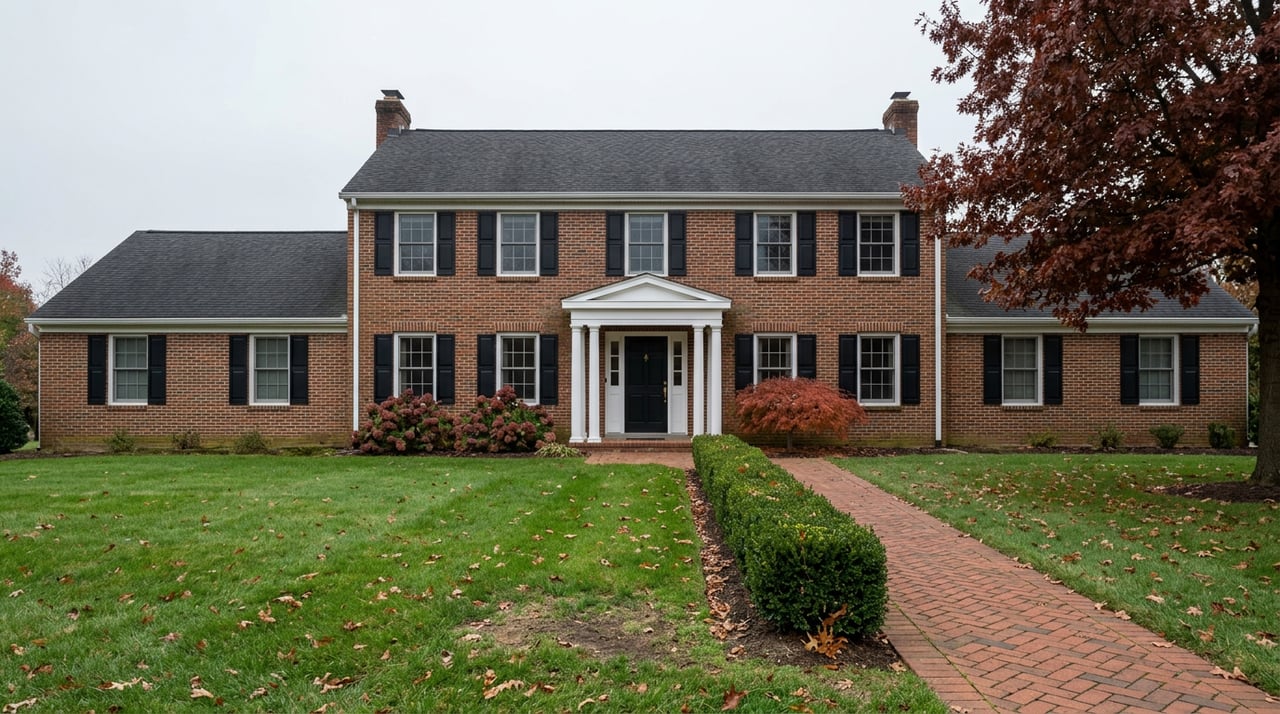
Ridgewood has one of the most architecturally rich housing inventories in Northern New Jersey. Many homes along Cottage Place, Upper Boulevard, and near the Glen Rock border date to the early twentieth century, and that history is a big part of what buyers love. That same history means aging systems, older materials, and structural details that a qualified inspector needs to evaluate carefully before you commit.
What a Standard Inspection Covers
A licensed New Jersey home inspector will assess the major systems and visible components of the property, including:
-
Roof materials, flashing, and gutters
-
Foundation walls and visible structural elements
-
Electrical panels, service capacity, and wiring types
-
Plumbing, water pressure, and drainage
-
Heating and cooling systems
-
Attic insulation and ventilation
-
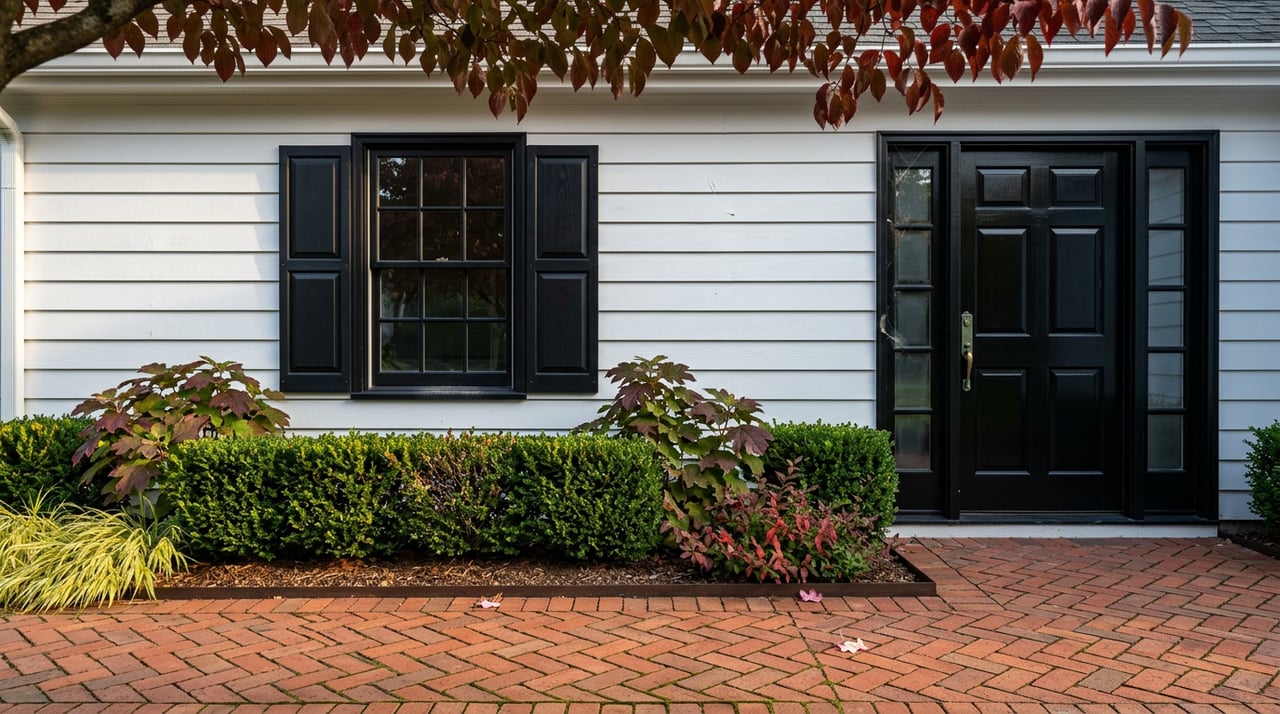
Windows, doors, and grading around the exterior
What to Watch for in Ridgewood's Older Homes
Homes built before 1978 — which covers a significant portion of Ridgewood's inventory — may have lead-based paint, older pipe materials, or electrical wiring that doesn't meet current codes. I always recommend that buyers of older properties consider add-on testing for radon, which is common throughout Bergen County, along with oil tank sweeps for homes that historically used oil heat.
Red Flags That Warrant a Closer Look
Your inspector should flag, and you should pay close attention to:
-
Water intrusion or staining in finished or unfinished basements
-
Knob-and-tube or aluminum wiring in the electrical system
-
Active or buried oil tanks on the property
-
Deteriorating chimney liners or cracked masonry mortar
-
Signs of settlement, moisture, or efflorescence in the foundation
Choosing the Right Inspector
Not every inspector has experience with Bergen County's older, higher-value homes. When evaluating candidates, look for certifications from ASHI or InterNACHI, a written report delivered within 24 hours, and a willingness to walk through findings with you on-site. I work closely with buyers to identify inspectors who are detail-oriented and knowledgeable about the specific property types common in this area.
Questions to Ask Before Booking
Before you hire, ask:
-
How familiar are you with pre-1950s construction methods?
-
Do you carry errors and omissions insurance?
-
Can you test for radon, mold, or buried oil tanks, or refer a specialist?
-
Do you allow buyers to attend and ask questions throughout?
Using the Report to Your Advantage
Once you receive the findings, the real work begins. I review every item with my buyers to separate cosmetic issues from structural or systems concerns, and then we decide together how to approach the seller. A home inspection Ridgewood, NJ, buyers rely on isn't just about knowing what's wrong — it's about using that information strategically to protect your investment.
How Buyers Can Leverage the Report
-
Request specific repairs on critical systems before closing
-
Negotiate a seller credit to address major issues post-close
-
Renegotiate the purchase price if the scope of repairs is significant
-
Walk away confidently if findings reveal more than you're willing to take on
Frequently Asked Questions
How long does a home inspection take for a typical Ridgewood home?
Most single-family inspections in Ridgewood take two to three hours, depending on the home's size and age. I always encourage my buyers to attend in person — you'll learn far more by being there than by reading the report afterward.
Should I waive the inspection contingency to make my offer more competitive?
I strongly advise against waiving the inspection contingency, even in a competitive market. The financial exposure from an undiscovered structural or systems issue far outweighs the short-term appeal of a cleaner offer. There are other ways to strengthen your position without removing this critical protection.
What happens if the inspection uncovers major problems?
The next step depends on what the report reveals and how you want to proceed. I work with my buyers to evaluate findings, consult with contractors when needed, and determine the best strategy — whether that's requesting repairs, asking for a credit, or reconsidering the purchase altogether.
Contact Cathy Bossolina Today
Every home inspection Ridgewood, NJ, purchase involves moving parts, and having an experienced guide by your side makes all the difference. From identifying the right inspector to reviewing findings and negotiating effectively, I'm here to help you through every step.
Whether you're just beginning your search or already under contract on a Ridgewood property, I'd love to connect. Reach out to me at
Cathy Bossolina to get started.