By Cathy Bossolina
Ridgewood's housing stock is one of its greatest assets. The borough's Colonials, Tudors, and craftsman-era homes carry architectural character that buyers specifically seek, and the renovations that add lasting value are the ones that modernize the home without erasing what makes it distinctive. Getting that balance right requires knowing what buyers in this market desire and what the neighborhood's comparable sales will support.
Key Takeaways
- Learn how to approach kitchen and bathroom renovations in Ridgewood's historic homes in a way that suits the architecture and performs well at resale.
- Discover which lower-level finishing projects deliver the strongest return in Bergen County, where finished square footage is a consistent buyer priority.
- Find out how to handle exterior updates on Ridgewood's older homes, including what sellers and long-term owners should address before listing.
- Understand which renovation investments are worth making before selling and which are better left for the next owner.
Kitchens
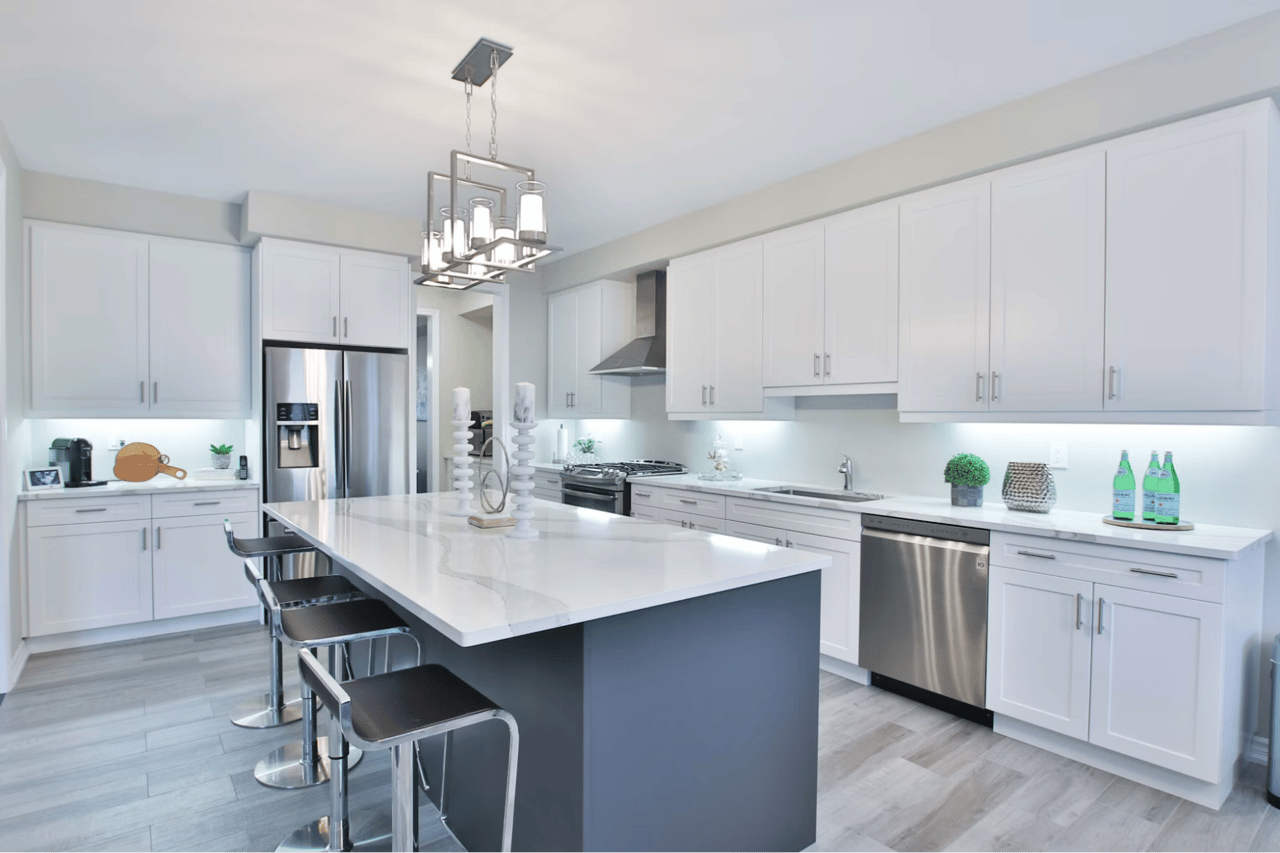
Kitchen renovations in Ridgewood's Colonial and Tudor homes perform best when the update respects the home's proportions and period. A contemporary kitchen in a 1920s home with original moldings and hardwood floors often reads as mismatched to buyers who were drawn to the house specifically for its character.
What a Ridgewood Kitchen Renovation Should Prioritize
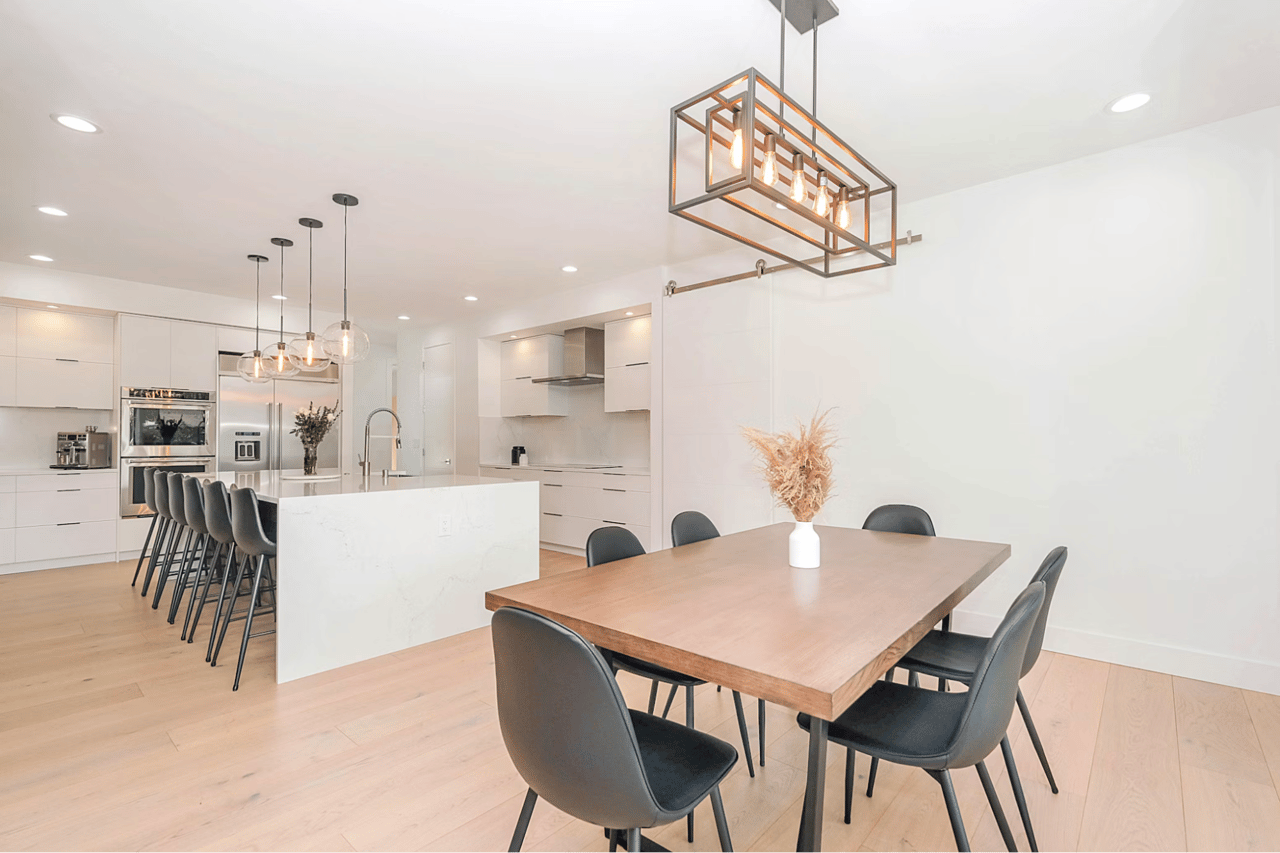
- Cabinetry in warm whites, soft greens, or natural wood tones with quality hardware suits both older and newer Ridgewood homes without dating quickly or competing with existing architectural details.
- Stone countertops in honed or leathered finishes perform better long-term in high-use kitchens than polished surfaces, which show wear more visibly and require more maintenance.
- Adding a scullery or butler's pantry behind the main kitchen, where the layout allows, has become one of the most requested features in Ridgewood's upper market and delivers a functional advantage that buyers recognize immediately.
- Appliance upgrades in a cohesive finish, professional-grade ranges, integrated refrigerators, and drawer dishwashers, signal a maintained, invested kitchen to buyers comparing multiple properties in a competitive price range.
Bathrooms
Primary bathroom renovations in Ridgewood consistently produce strong returns when the finish level matches the home's overall investment. Outdated bathrooms are among the most frequently cited reasons buyers make lower offers, and targeted updates address that before it becomes a negotiating point.
The Bathroom Updates That Move the Needle
- Walk-in showers with frameless glass are the most universally requested primary bathroom configuration in the current Ridgewood market, and updating from a tub-shower combo is one of the most effective layout changes available in an older home.
- Heated floors, installed as an electric radiant system beneath tile, are a relatively low-cost addition during a renovation and one of the features buyers mention specifically after a showing.
- Double vanities with custom millwork and integrated lighting address a practical expectation at the upper price tier that a single vanity with builder hardware does not meet.
- Re-tiling a shower or tub surround in a clean, large-format neutral tile updates a bathroom more completely than any other single change and photographs well in listing images.
Lower Level Finishing
Finished lower levels add meaningful square footage in a market where buyers are counting every livable foot, and in Ridgewood's older housing stock, where unfinished basements are common, this is frequently the renovation with the most upside relative to cost.
How to Finish a Ridgewood Lower Level Effectively
- Ceiling height is the first variable to assess, since a lower level with less than seven feet of clearance will feel cramped regardless of the finish quality and limits how buyers can use the space.
- Egress windows are required for any lower-level bedroom and improve natural light and ventilation throughout the space, making them worth adding even where code does not strictly require it.
- A full bathroom, a flexible open living area, and a dedicated home office or additional sleeping room are the three elements that produce the most buyer-recognized value in a finished Ridgewood lower level.
- Moisture management must be addressed before any finish work begins, since a beautifully finished lower level with a water intrusion history will create disclosure and inspection complications that undermine the entire investment.
Exterior and Curb Appeal
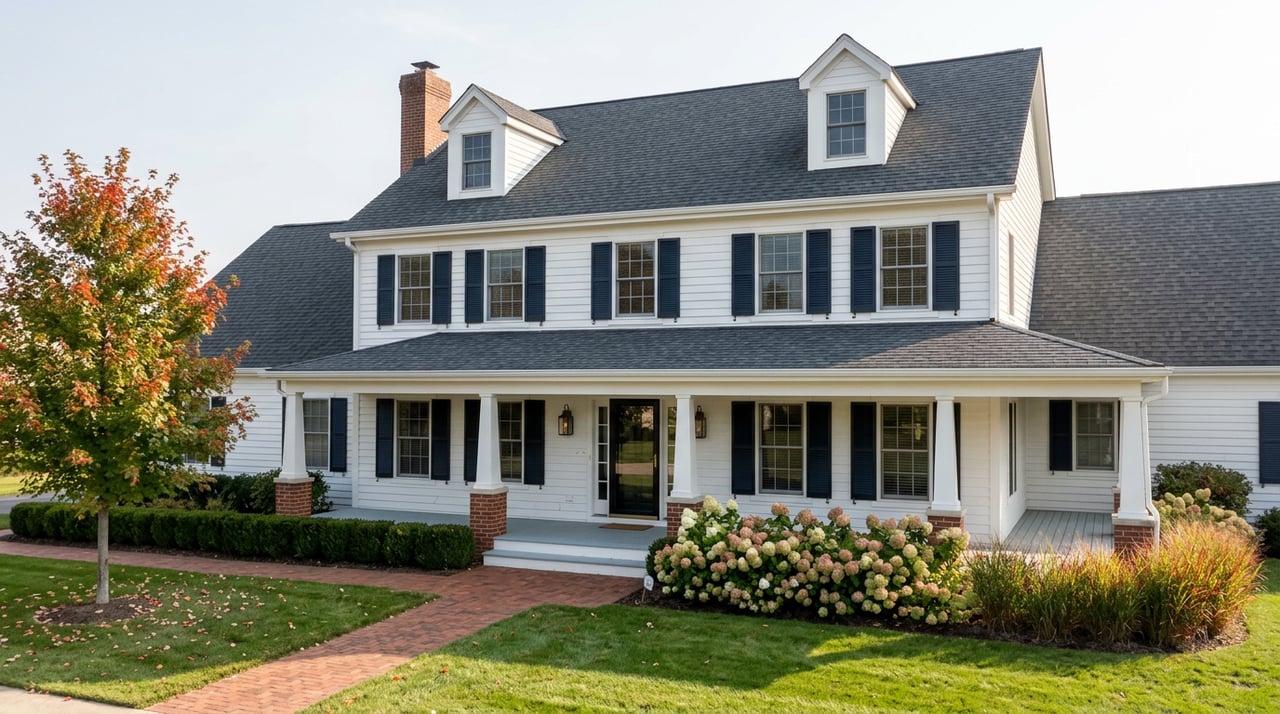
In Ridgewood, where buyers are walking from their cars to the front door on tree-lined streets and forming their first impression before they reach the entry, the exterior matters as much as any interior room.
The Exterior Updates Worth Making
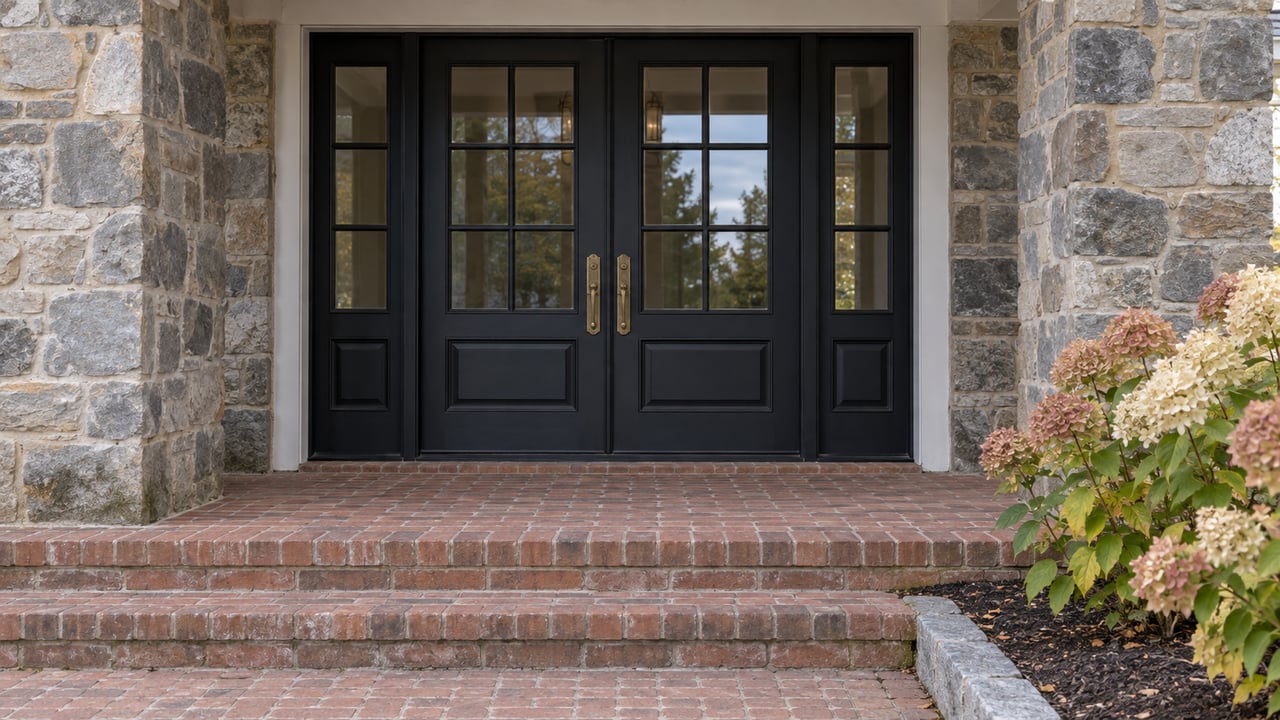
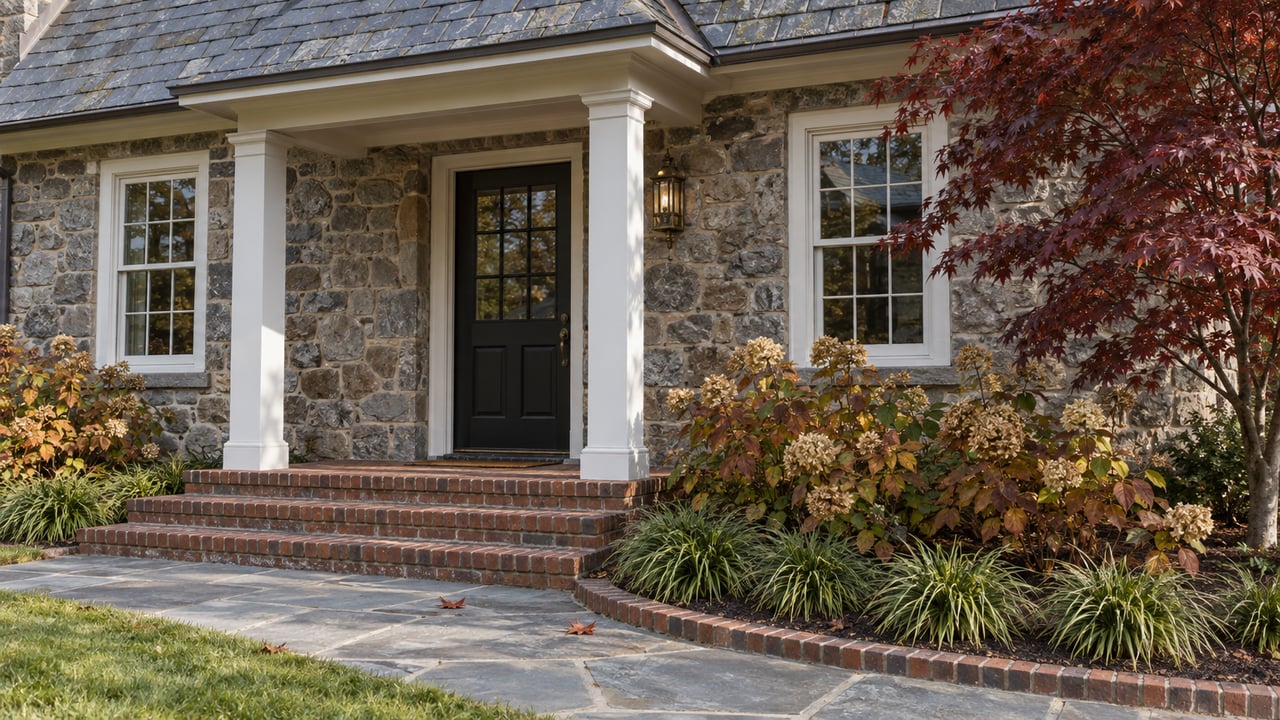
- Repainting or re-staining the front door, replacing dated hardware and exterior lighting, and repointing any brick or stone that has deteriorated are low-cost improvements that change how a home reads from the street.
- Wood trim, window casings, and porch details on older Ridgewood homes require regular maintenance, and any visible peeling, rot, or damage addressed before listing removes a concern buyers and inspectors will otherwise raise.
- Landscaping cleanup, including edged beds, pruned foundation plantings, and a cleared front walkway, is the least expensive curb appeal improvement available and one of the highest-return uses of pre-listing time and budget.
- Roof condition is evaluated carefully by buyers and their inspectors in Ridgewood's older housing stock, and sellers with roofs approaching or past their expected lifespan should factor the cost of replacement into their pricing strategy rather than assuming buyers will absorb it.
Frequently Asked Questions
What is the most common remodeling mistake Ridgewood sellers make before listing?
Over-renovating relative to the neighborhood's price ceiling. A full primary suite addition or a high-end kitchen renovation that pushes total investment above what comparable sales support will not return its cost at closing. The most effective pre-listing renovations are targeted, finish-focused, and grounded in what buyers at the specific price point are actually expecting.
Should I renovate before selling or price it into the asking price?
The answer depends on the scope and the timeline. Cosmetic updates, including painting, bathroom fixture replacements, and landscaping, are almost always worth completing before listing because they affect first impressions immediately. Larger structural renovations are less predictable in their return and are often better addressed through accurate pricing that reflects the home's current condition rather than a rushed renovation completed under listing pressure.
How do I find contractors in Ridgewood with experience in historic homes?
Working with contractors who have active projects in established Bergen County neighborhoods is the most reliable starting point, since they understand the specific materials, permitting requirements, and construction methods that older Ridgewood homes involve. Asking neighbors who have completed visible renovations for referrals is consistently the most effective way to identify contractors who know this specific context.
Thinking About Selling?
If you are planning a renovation and want to know which investments will actually pay off in Ridgewood's current market before you commit the budget, that conversation is worth having before the contractor arrives. I have seen what buyers respond to in this borough and what they negotiate past, and I am happy to share that perspective.
Call or email
Cathy Bossolina before you list your home.