By Cathy Bossolina
Making an offer on a house for the first time can feel like a lot of pressure packed into one number. The good news is that a strong offer isn't about guessing. It's about doing a little homework beforehand so your number reflects real information rather than nerves. Here's what's worth knowing before you get there.
Key Takeaways
- Getting pre-approved gives you a clear, realistic budget to work from.
- Today's market conditions should shape how you approach your offer price.
- Comparable sales, not the asking price, are the real benchmark.
- A strong offer often includes more than just the number itself.
Get Pre-Approved and Know Your Numbers
Before you start seriously touring homes, a mortgage pre-approval gives you a clear sense of what you can actually afford, along with a document that shows sellers you're a prepared, credible buyer. It's one of the simplest steps to take early, and it sets the foundation for everything that follows.
Beyond the loan amount itself, it's worth factoring in property taxes, insurance, and ongoing maintenance so your total monthly picture stays realistic, not just the number on your pre-approval letter.
Before You Start Touring Homes
- Get pre-approved, not just pre-qualified.
- Factor in taxes, insurance, and maintenance costs.
- Set a firm walk-away price before you fall in love with a home.
Understand Today's Market Before You Decide on a Price
The right offer strategy depends heavily on current conditions, and 2026 has brought a genuinely more balanced market than buyers have seen in recent years. Nationally, housing inventory has reached its highest level since 2020, giving buyers more room to negotiate than during the tighter markets of the past few years.
That said, Northeast markets like Ridgewood tend to stay on the more competitive side even in a balanced national environment, so it's worth checking in with current local conditions before assuming national trends apply exactly the same way here.
Questions Worth Asking About the Market
- How many months of inventory are currently available locally?
- How long has this particular home been listed?
- Are similar homes selling at, above, or below asking price?
Let Comparable Sales Guide Your Offer
Comparable sales, meaning homes similar in size, condition, and location that have actually closed recently, are a far more reliable guide than a home's asking price. Looking at sales from the past 90 days and adjusting for differences in condition or features helps you land on a number grounded in real data rather than a seller's hopeful listing price.
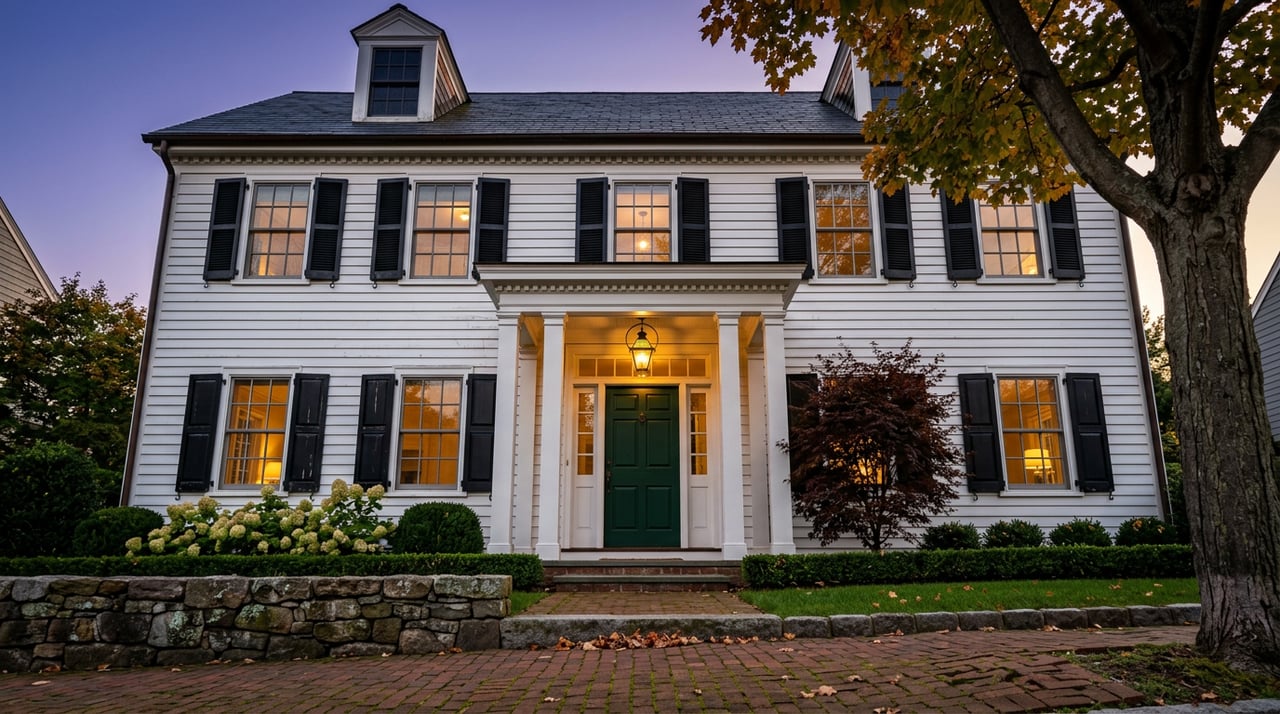
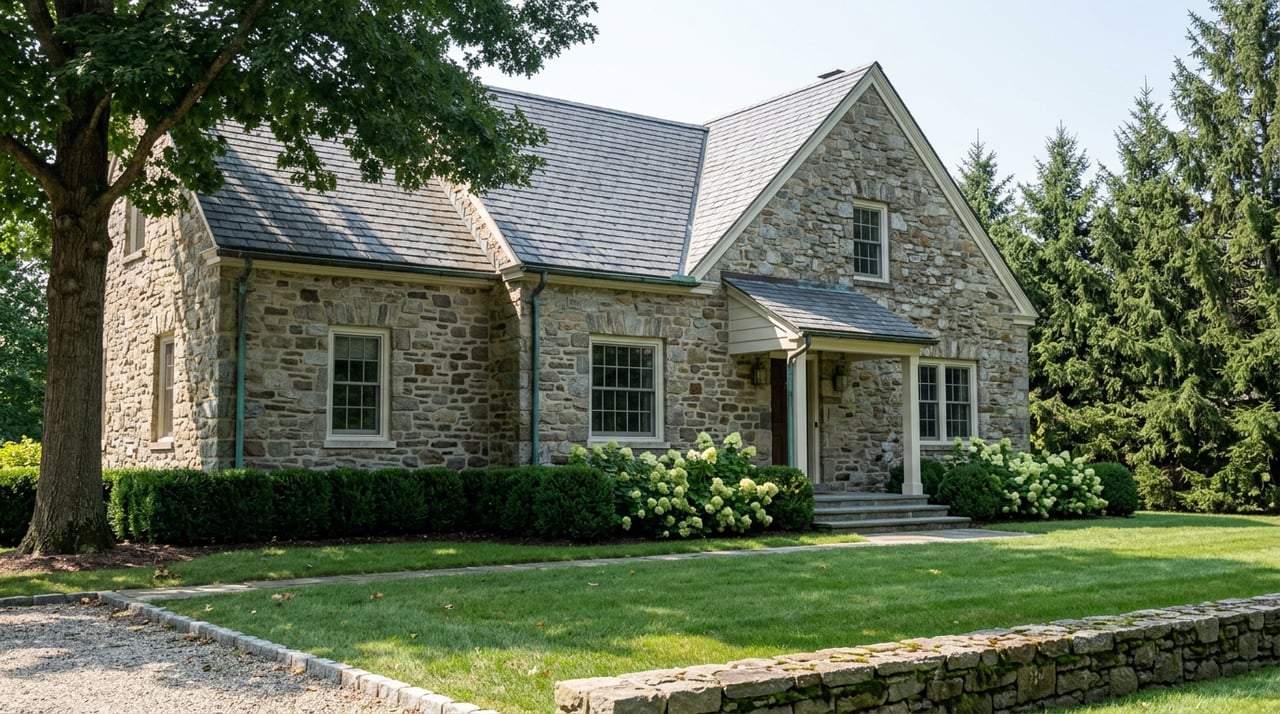
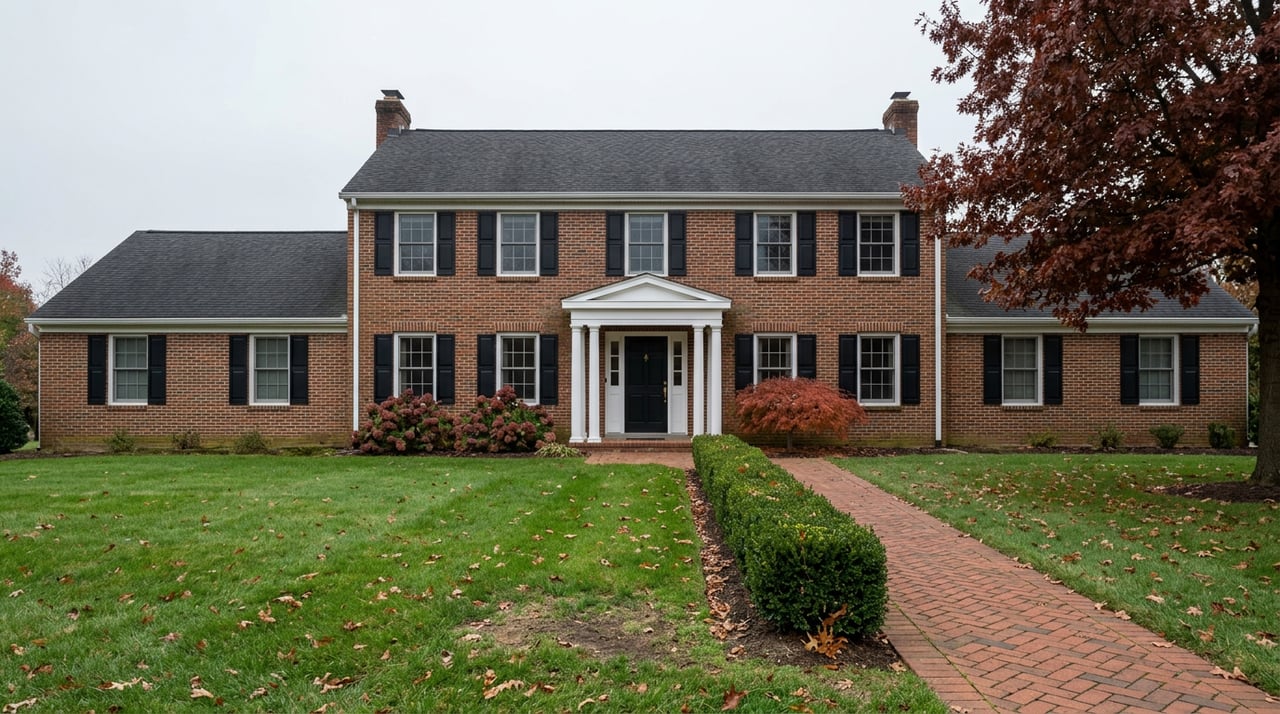
Ridgewood makes for an interesting case study here. The area's roots trace back to 1698, and its transformation into a commuter suburb began after the railroad arrived in 1848, drawing wealthy New York businessmen to build homes near the station. That history left behind a genuine mix of architectural eras, which means accurate comps really do require looking closely at homes with similar character, not just similar square footage.
What to Look for in Comparable Sales
- Homes that sold, not just homes currently listed, within the last 90 days.
- Similar size, condition, and lot characteristics.
- Adjustments for notable differences like renovations or unique features.
Strengthen Your Offer With More Than Just Price
Price isn't the only leverage you have. A larger earnest money deposit can signal seriousness to a seller, a flexible closing date can make your offer more appealing if it matches what the seller needs, and streamlining certain contingencies, when you're comfortable doing so, can make your offer stand out without necessarily raising your number.
None of this replaces a well-researched price, but combined with solid comps and a clear budget, these details can make a real difference in a competitive situation.
Ways to Strengthen an Offer Beyond Price
- A larger earnest money deposit to show commitment.
- Flexible closing timelines that work with the seller's needs.
- Pre-underwritten loan documentation showing you're ready to close.
Frequently Asked Questions About Making an Offer
How do I know if I'm offering too much or too little?
Comparable sales from the last 90 days are your best guide. If your offer lines up with what similar homes have actually sold for, you're in a reasonable range.
Is earnest money the same as my down payment?
No. Earnest money is a smaller deposit that shows good faith and typically gets applied toward your down payment or closing costs later.
Should I waive contingencies to make my offer stronger?
Not necessarily. It depends on your comfort level and the specific property. A knowledgeable agent can help you decide which contingencies matter most to keep versus which ones might be reasonable to adjust.
Let's Find the Right Approach for Your Offer
Every offer is a little different, and the right strategy depends on the home, the market, and what matters most to you. With the right preparation, you can walk into this process feeling confident instead of anxious.
If you're getting ready to
make an offer in Ridgewood, I'd welcome the chance to help you think it through.
Get in touch with me, Cathy Bossolina, whenever you're ready.